El pasado mes de abril, fuimos testigos de los avances concretos en la incidencia de niñas y juventudes en espacio de toma de decisiones en la región de Américas. Nos unimos por primera vez con ONU Mujeres y UNICEF América Latina y el Caribe, Fundación Tremendas y Participa Chile, para construir “Juventudes en Alianza”, en un evento paralelo en la Comisión Económica para América Latina y el Caribe (CEPAL) durante el “Foro de Países de América Latina y el Caribe sobre Desarrollo Sostenible”.
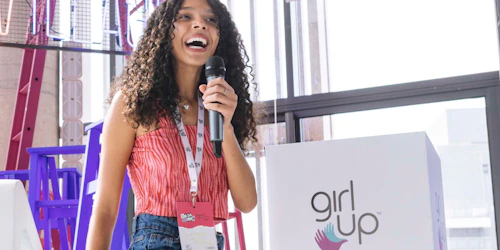
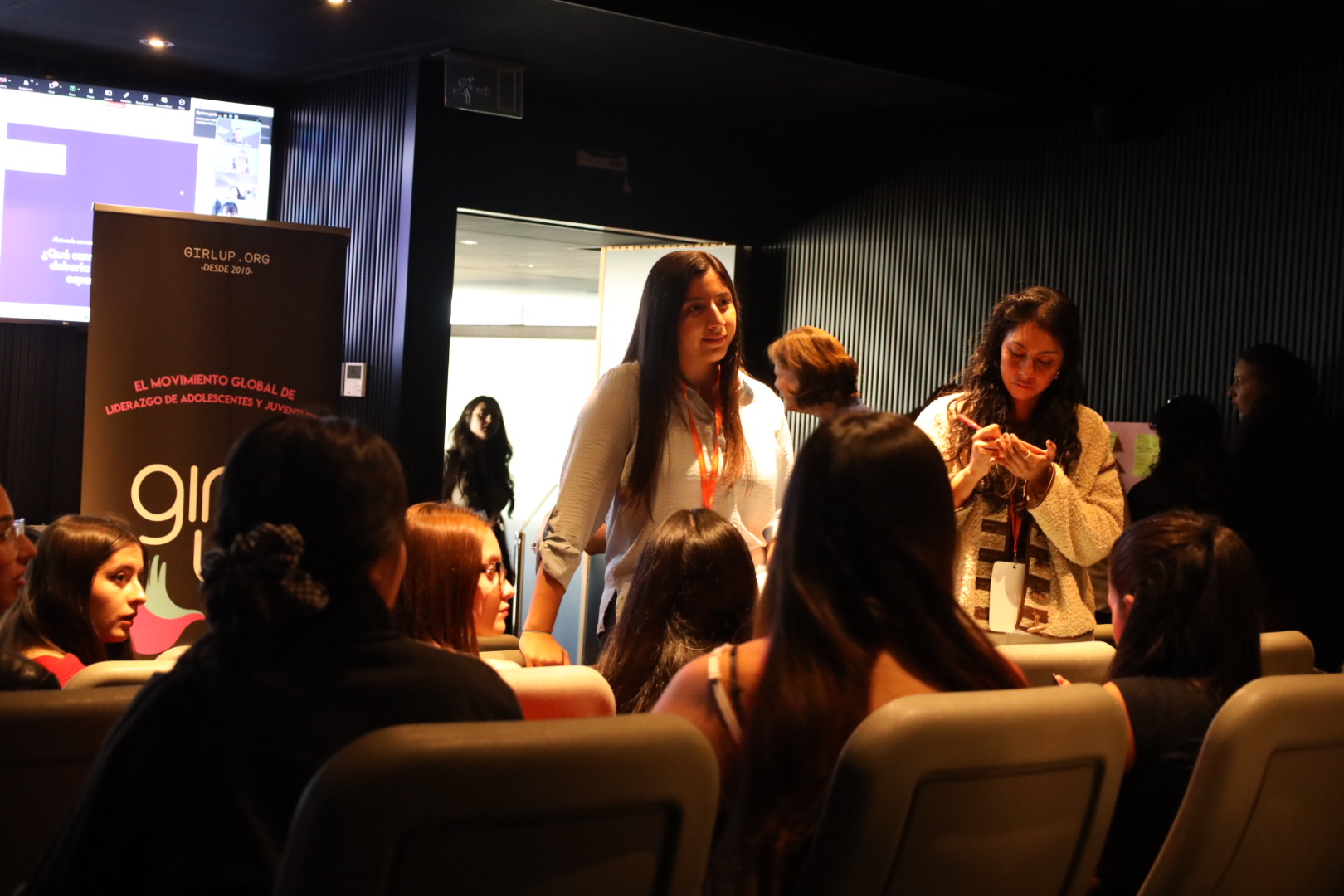
Más de 80 niñas y juventudes de la Región en formato presencial y 40 en virtual, pudieron trabajar directamente en incidencia, colocando su voz al frente de uno de los foros más relevantes en América Latina y el Caribe. En esta oportunidad, se desarrollaron metodologías de incidencia en temáticas y decisiones que impactan el futuro de niñas y juventudes: como los cuidados y la igualdad de género; la participación e incidencia política; y la agenda de paz y seguridad; en un contexto de alta incertidumbre, reducción de derechos fundamentales y violencia en los espacios digitales y públicos. ONU Mujeres señalo en esta oportunidad que “más que un espacio de diálogo, el encuentro, organizado por Girl Up, ONU Mujeres, UNICEF, Tremendas y Participa Chile, funcionó como un laboratorio de trabajo para construir una hoja de ruta regional de incidencia 2026–2030, con compromisos claros, responsables definidos y mecanismos de seguimiento” (ONU Mujeres, 2026).
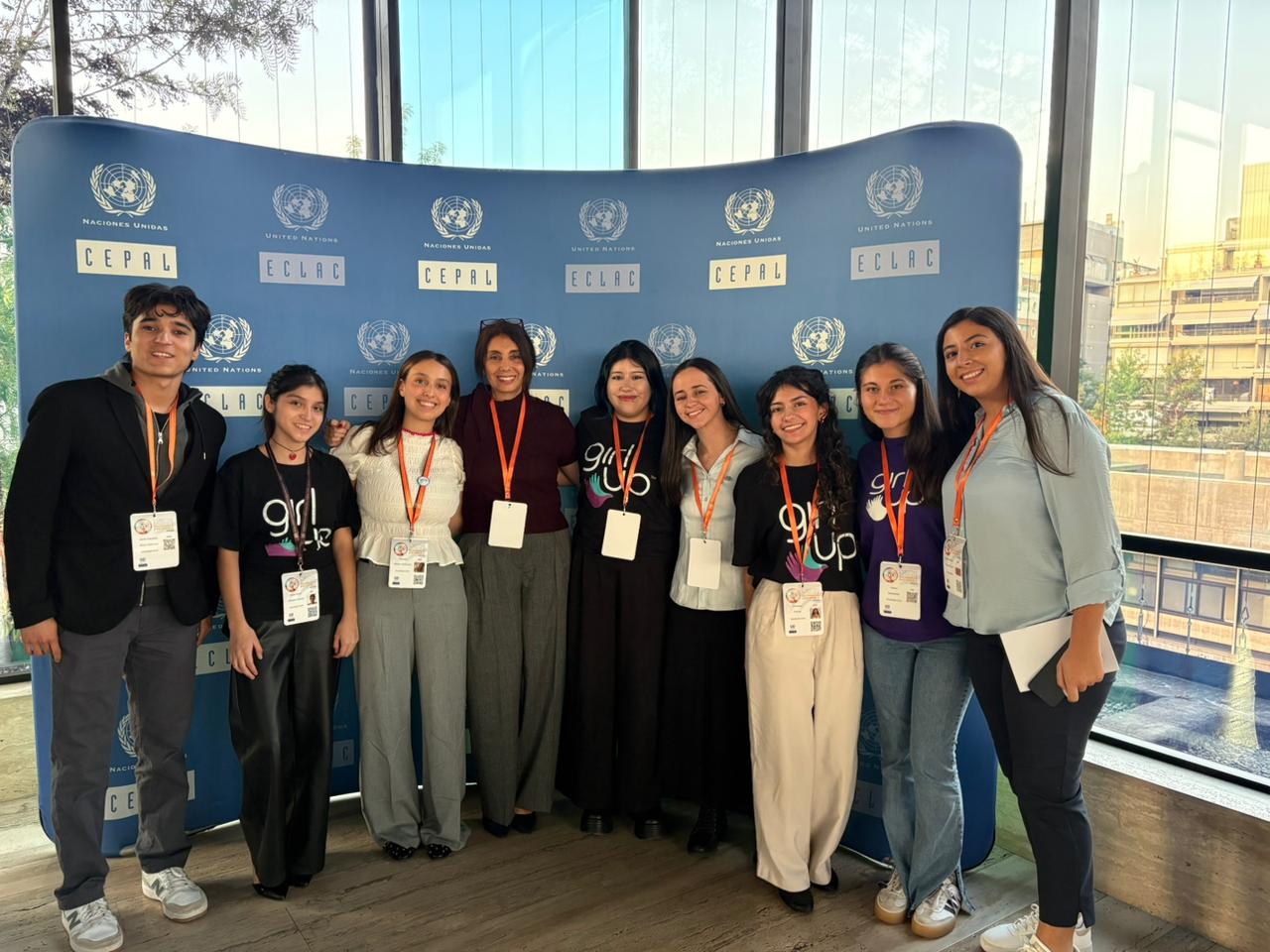
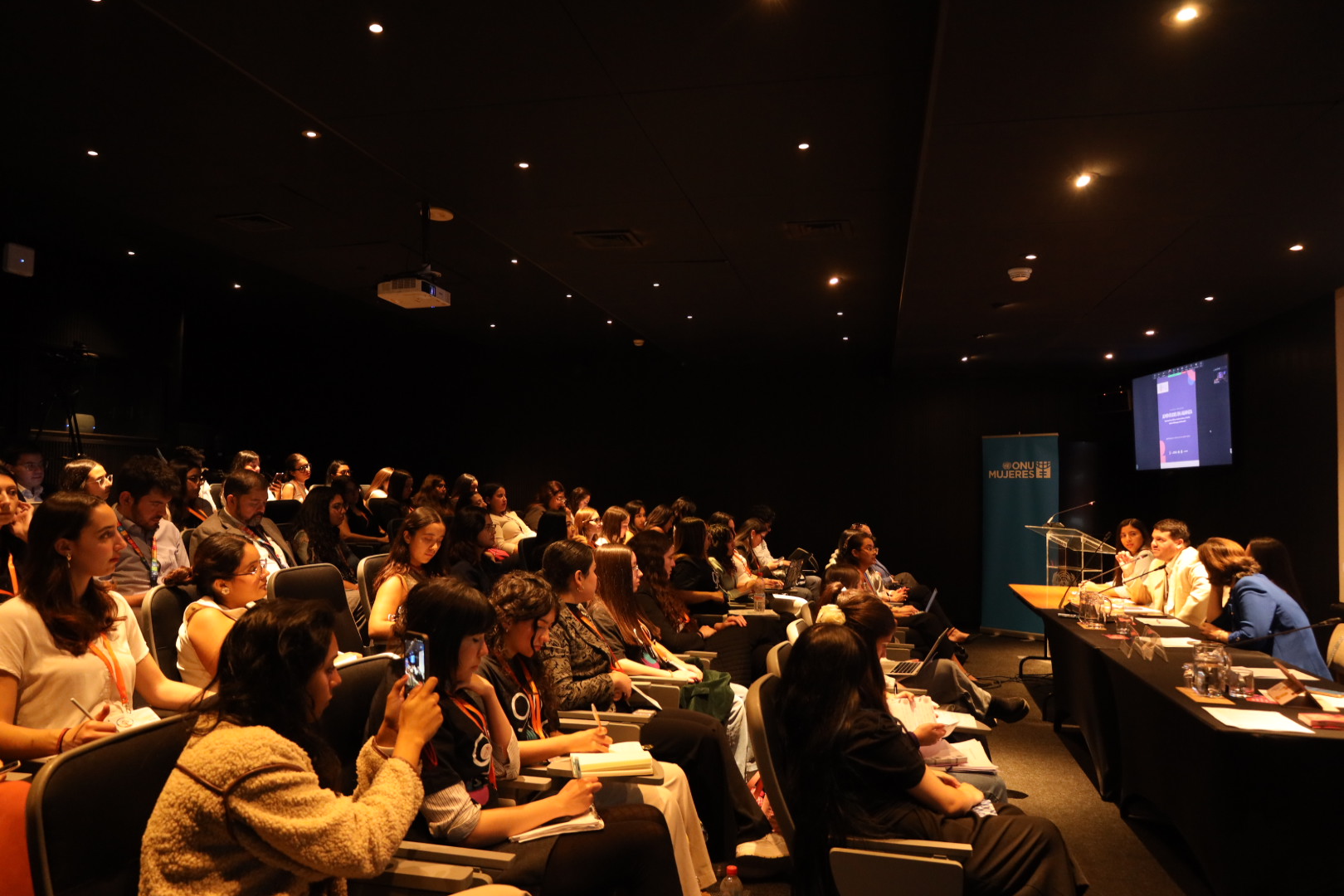
Sin duda, este evento marcó un hito no sólo en la incidencia efectiva en espacios clave de Naciones Unidas, sino también para Girl Up, como parte de su nueva Teoría del Cambio- que coloca a las niñas y juventudes al centro de la estrategia- junto a los valores y los pilares que nos guían. Después de varios períodos de consulta con juventudes, organizaciones aliadas, equipo interno y donantes, iniciamos un nuevo camino junto al Global Fund for Children.
Este proceso ha requerido reflexiones y cambios profundos, dejando de lado los egos y protagonismos personales, para abrir las puertas a niñas y juventudes que, hasta ahora, no habían tenido la oportunidad de brillar. Colaborar y permitir que las juventudes ocupen espacios de protagonismo es un acto de generosidad que no todas las organizaciones están listas a implementar. Entender que las generaciones futuras necesitan oportunidades, voz y ejercicio de sus derechos es un paso fundamental para lograr transformaciones efectivas y sostenibles.
En un camino que ya lleva 15 años, Girl Up ha formado a niñas y juventudes en distintos rincones del mundo, utilizando la metodología de clubes autónomos como su principal motor. Es momento que los clubes pasen al frente y ocupen espacios de decisión, incluso dentro de nuestra organización. La Teoría del Cambio que propone el liderazgo de juventudes como una práctica y no como un discurso, está recién comenzando, pero contando con oportunidades concretas para su desarrollo.
Juventudes en Alianza es una iniciativa que nació de la colaboración de organizaciones de la sociedad civil con presencia en Chile y América Latina como Tremendas y Participa Chile. En conversaciones y revisiones de investigaciones, detectamos que el tejido social en la región se encuentra fragmentado y que es imperativo recuperar esa cohesión. Para lograrlo, unir esfuerzos con agencias de Naciones Unidas, sector privado y academia es central. Las niñas y juventudes necesitan acceder a estos espacios de toma de decisiones y más aún incidir de manera organizada, desde sus realidades cotidianas e identidad propia.
Nuestra Asociada Regional de Girl Up Américas, Justina de Pierris señaló en esta oportunidad que para logar un participación e incidencia juvenil sea efectiva, es preciso materializar nuestros objetivos. Por ejemplo, transformando experiencias en un instrumento concreto de incidencia política en materia de cuidados.
Por su parte, Constanza Camilo Coordinadora de Fundación Tremendas remarcó un elemento común que compartieron las niñas y juventudes en este evento: La democratización del conocimiento. “Cuando una joven accede a información, redes, herramientas y espacios seguros donde desenvolverse, deja de ser solo beneficiaria y se transforma en una actora política y social”, expresó Constanza
Cuando una joven accede a información, redes, herramientas y espacios seguros donde desenvolverse, deja de ser solo beneficiaria y se transforma en una actora política y social
De acuerdo con ONU Mujeres, particularmente importante ya que “las juventudes en la región enfrentan mayores tasas de desempleo, alta informalidad y barreras persistentes para participar en espacios de decisión. En el caso de las mujeres jóvenes, estas brechas se agravan por la sobrecarga de cuidados, la violencia y las limitaciones para acceder a autonomía económica” (ONU Mujeres, 2026).
En este evento paralelo, las niñas y juventudes no sólo tuvieron la oportunidad de trabajar en equipo con la sociedad civil y las agencias, sino que también de ser escuchadas por importantes autoridades como Bibiana Aido Almagro, Directora de ONU Mujeres LAC y a Representante de UNICEF Chile, Violet Speek-Warnery quienes manifestaron su voluntad y compromiso futuro.
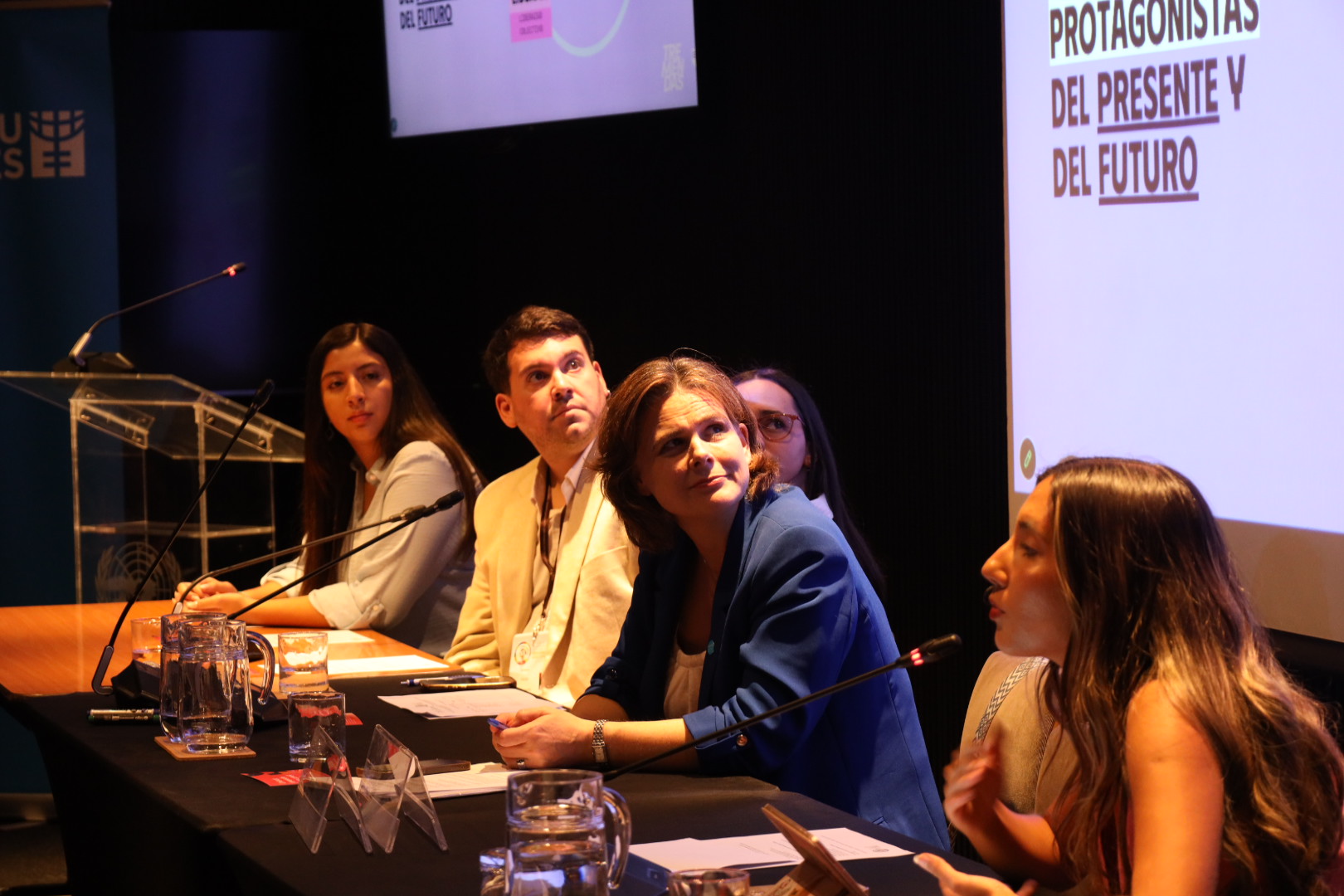
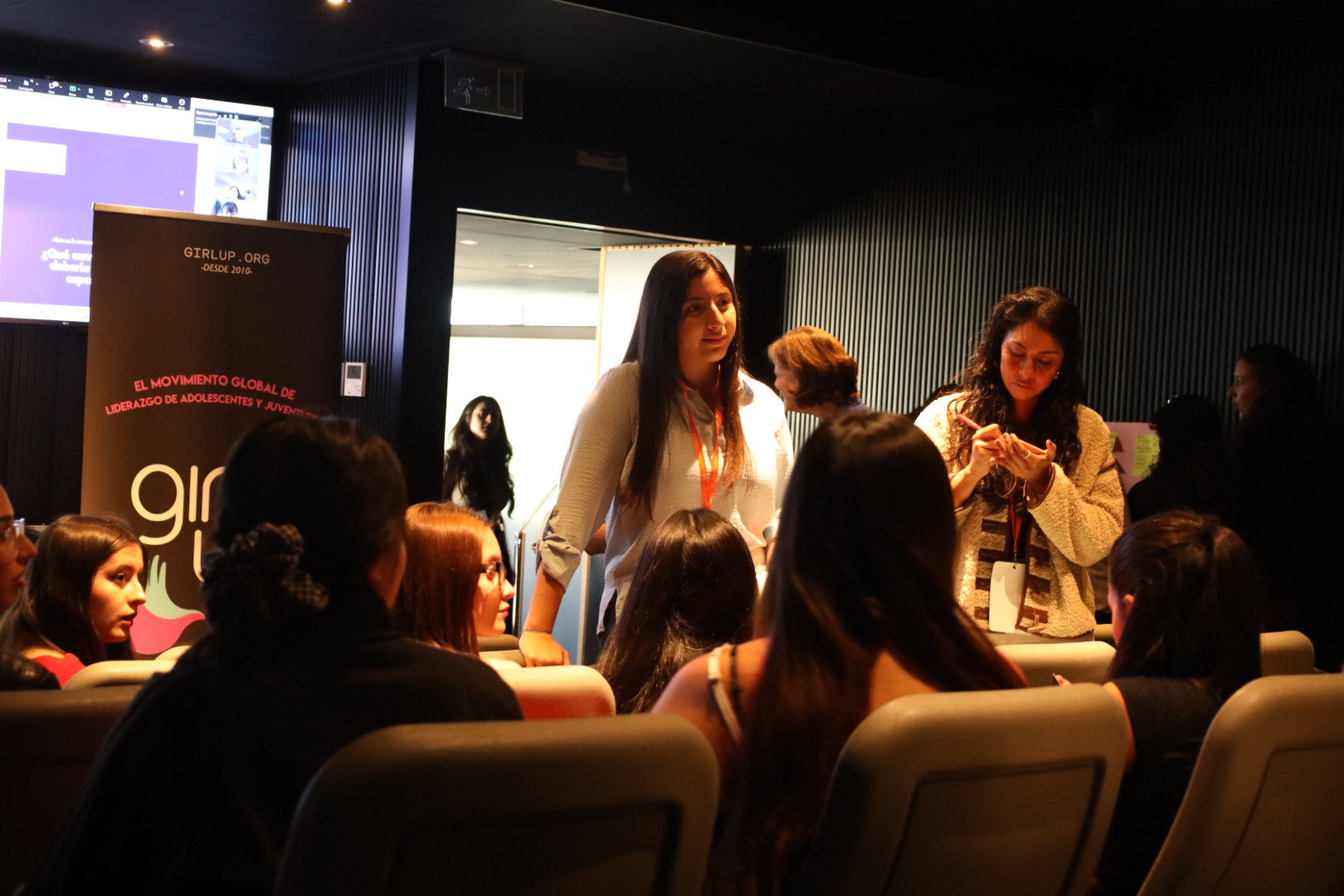
Durante su intervención, la directora regional de ONU Mujeres para las Américas y el Caribe, Bibiana Aido, fue directa al plantear lo que está en juego: “el futuro no se espera, se construye”. Y subrayó que esta hoja de ruta solo tendrá impacto si cuenta con seguimiento, financiamiento y compromiso real. “Sin igualdad de género y sin participación sustantiva de las juventudes, la Agenda 2030 no avanza”, afirmó.
Por su parte, UNICEF reforzó la necesidad de que la participación juvenil sea real y no simbólica. Violet Speek-Warnery, representante de UNICEF en Chile, se refirió a este tema señalando “No se trata solo de estar en la foto o de ser escuchadas por unos minutos. Participar es incidir, es decidir, es co-crear políticas”. También insistió en que este tipo de espacios deben ser apropiados por las propias juventudes, porque ninguna agenda de desarrollo será sostenible si no refleja sus vidas y prioridades”.
Gracias a Justina De Pierris por su trabajo estratégico en la generación de espacios y metodologías de incidencia. A Constanza Camilo Fuentes, Ignacio Garay, Sofía García y Javiera Díaz Pérez, quienes con mucha motivación trabajaron para que este evento fuera posible. También a cada una a las voluntarias (os) por su dedicación en las mesas temáticas. Agradecimientos especiales a Miguel Trancozo Treviño (ONU Mujeres LAC) y a Carla Enrica Foglia (UNICEF LAC), por su colaboración permanente.
Seguiremos avanzando en la estrategia de juventudes en la región.
El uso de herramientas como la matriz de transversalización permitió aterrizar las discusiones en compromisos específicos vinculados a los ODS, con responsables, plazos y necesidades de financiamiento. El objetivo fue claro, dejar de trabajar en paralelo y avanzar hacia una acción coordinada. El proceso culminó con la validación de un Decálogo de Compromisos 2026 y una Hoja de Ruta Regional 2026–2030. Ambos instrumentos buscan ordenar prioridades, fortalecer alianzas y asegurar que la incidencia juvenil tenga continuidad más allá del evento
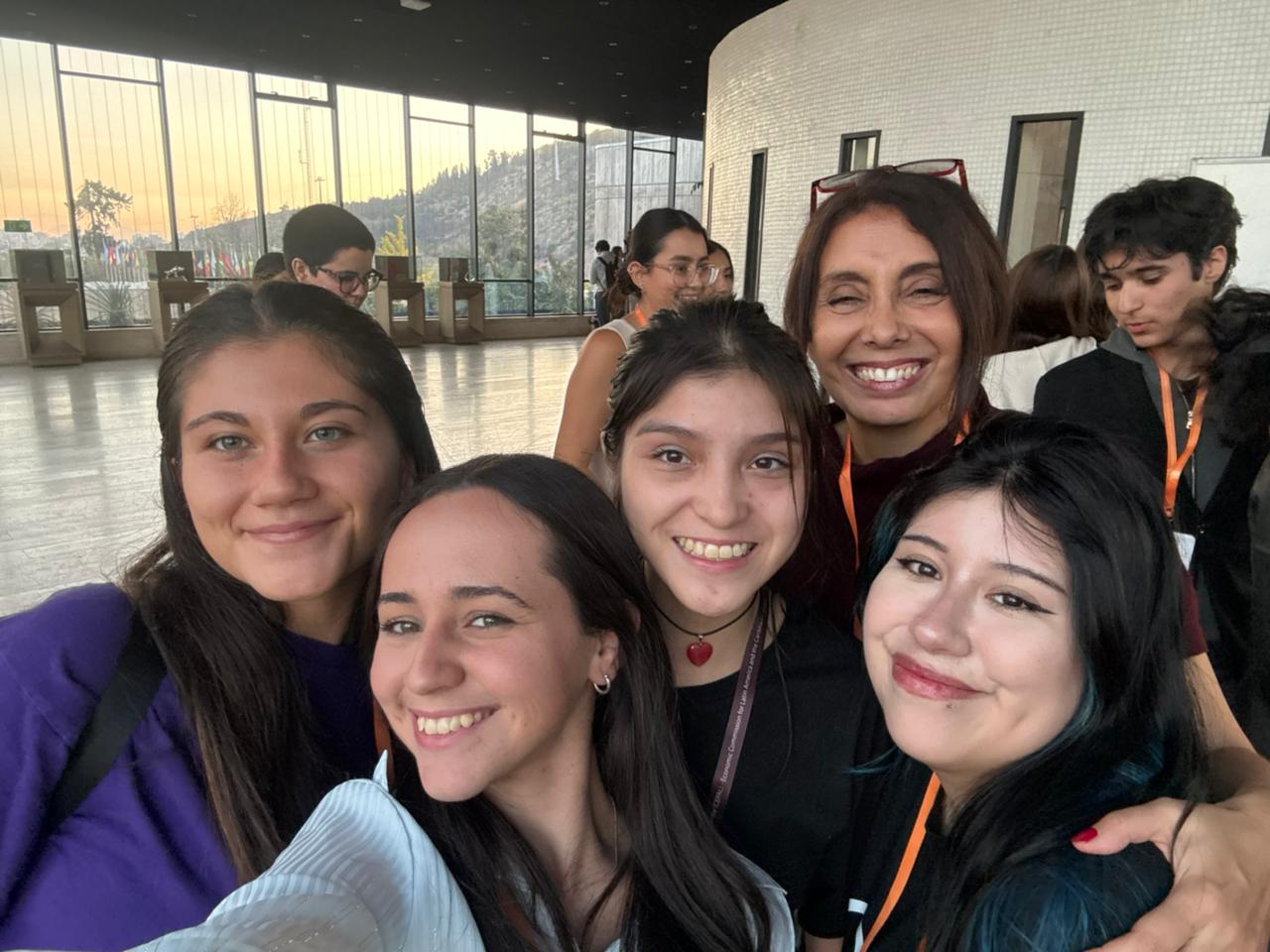
Estén atentas a lo que viene, porque desde Girl Up Américas seguiremos adelante con el trabajo colaborativo y la apertura de espacios para que más niñas y juventudes puedan ejercer su liderazgo de manera efectiva. El camino recién comienza, pero estamos convencidas de que abrir puertas es la dirección correcta para que más niñas y juventudes de la región incidan defendiendo sus derechos, en procesos y decisiones complejas que las afectan directamente.
—
Should We Open the Door? : Youth in Alliance: A Real Example of Girls and Young People Influencing Decision-Making Spaces
Last April, we witnessed something powerful in Latin America: girls and young people stepping directly into decision-making spaces and making their voicesheard.
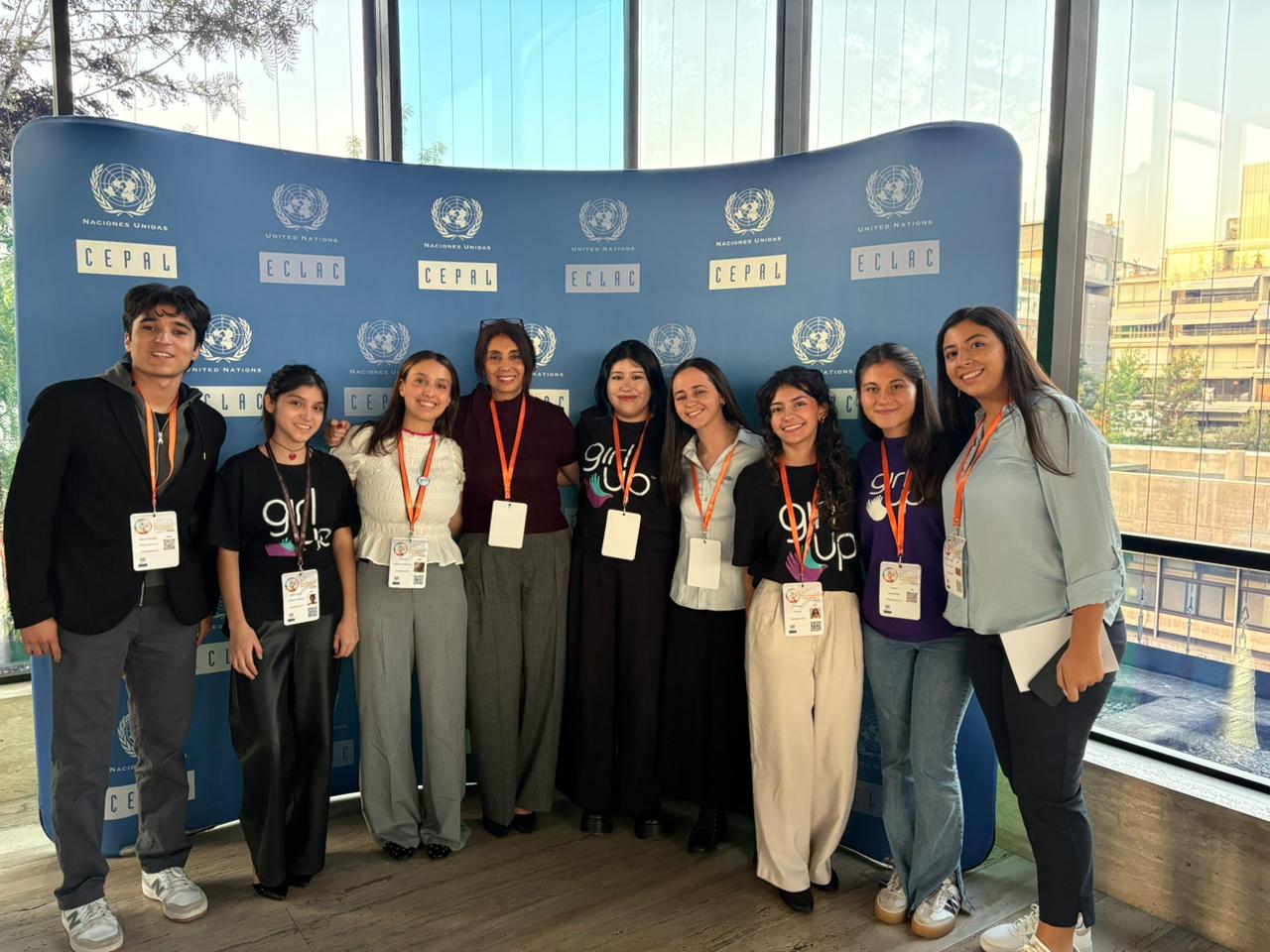
For the first time, UN Women, UNICEF Latin America and the Caribbean, Fundación Tremendas, Participa Chile, and Girl Up came together to create Youth in Alliance, a side event at the Economic Commission for Latin America and the Caribbean (ECLAC) during the Forum of Countries of Latin America and the Caribbean on Sustainable Development.
More than 80 girls and young people attended in person, with another 40 joining virtually from across the region. Together, they worked on real advocacystrategies and conversations around issues shaping their futures: care systems and gender equality, political participation, peace and security, and thegrowing violence young people face online and in public spaces.
According to UN Women, the event became more than just a conversation. It acted as a working lab to help build a regional advocacy roadmap for 2026–2030, complete with commitments, accountability, and follow-through.
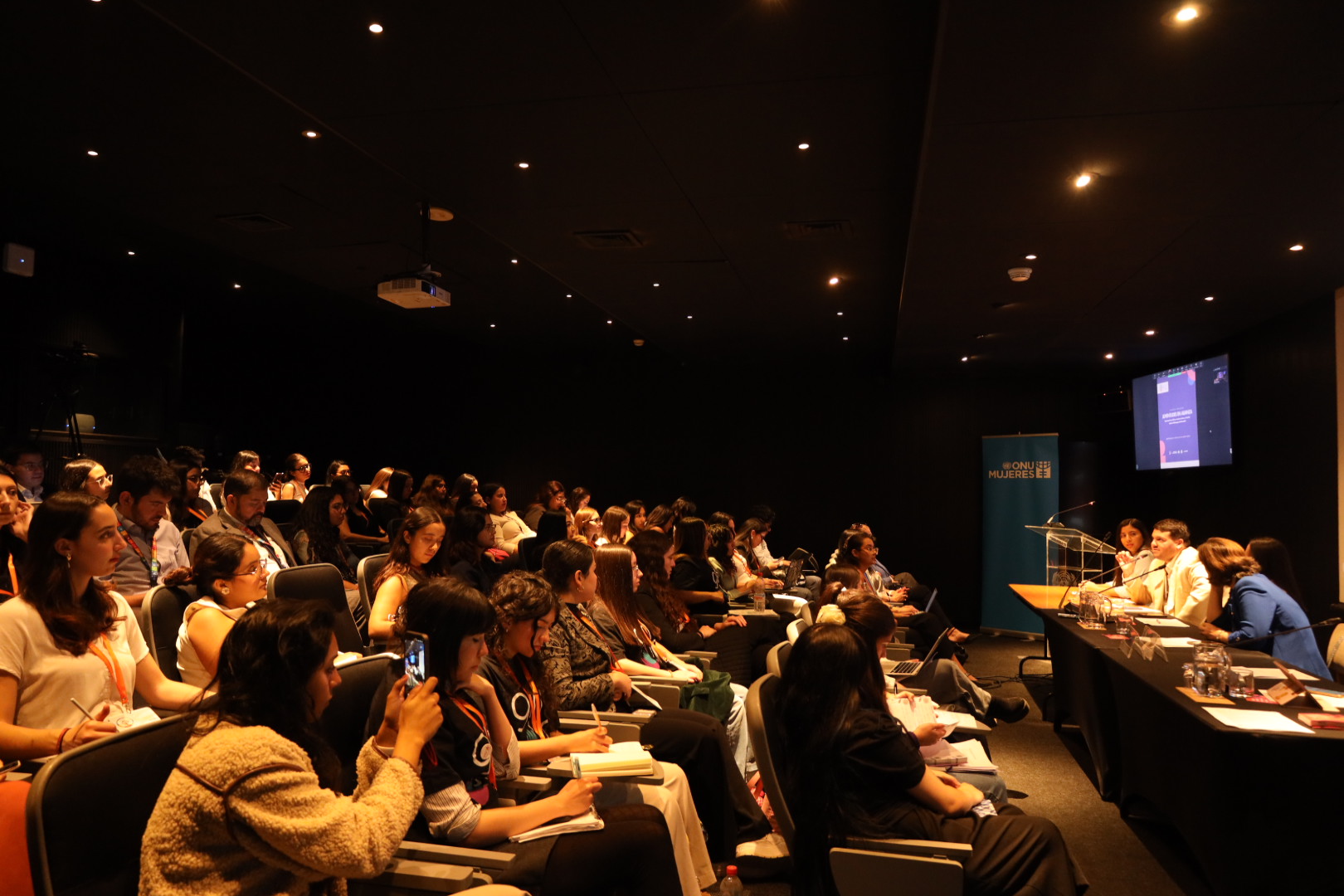
For Girl Up, this moment also marked an important step forward in our evolving Theory of Change, one that places girls and young people at the center of decision-making, not just as participants, but as leaders. After months of listening sessions with youth, partners, staff, and supporters, we began a new chapter alongside our new fiscal host, Global Fund for Children.
That process has required deep reflection and meaningful change. It has meant letting go of ego and making room for young people who have not alwaysbeen given the chance to lead or be seen. Creating space for youth leadership is an act of trust and generosity, and not every organization is ready to truly do it. But if we want lasting, meaningful change, we have to recognize that future generations deserve access, opportunity, and a real seat at the table.
For the past 15 years, Girl Up has supported girls and young people around the world through our network of youth-led Clubs. Now, it is time for those youngleaders to move even further into positions of influence, including within our own organization. Leadership by young people cannot just be a slogan. It has tobe a practice.
Youth in Alliance was born through collaboration between civil society organizations working across Chile and Latin America, including Tremendas and Participa Chile. Through conversations and research, we identified a growing challenge: social connection and collective action in the region have becomeincreasingly fragmented. Rebuilding that sense of community and shared purpose is essential.
To make that happen, collaboration matters. Partnerships between civil society, the private sector, academia, and UN agencies are critical. Girls and youngpeople need access to these spaces, but more importantly, they need the ability to influence them from the perspective of their own lived experiences and identities.
During the event, Girl Up Americas Regional Associate Justina de Pierris emphasized that youth participation only becomes meaningful when it turns ideas and experiences into concrete advocacy tools and policy action.
Constanza Camilo of Fundación Tremendas highlighted another recurring theme throughout the gathering: democratizing knowledge. As she explained, whena young person gains access to information, networks, tools, and safe spaces, they stop being viewed simply as beneficiaries and become political and social actors in their own right.
This work is especially urgent given the realities facing young people across the region. UN Women notes that youth continue to face high unemployment, widespread informality, and major barriers to participation in decision-making spaces. For young women, those challenges are compounded by unpaid care responsibilities, violence, and limited economic autonomy.
The event also gave participants the opportunity to engage directly with influential leaders, including Bibiana Aido Almagro, Regional Director of UN Women for Latin America and the Caribbean, and Violet Speek-Warnery, UNICEF Representative in Chile. Both reaffirmed their commitment to supporting youthleadership moving forward.
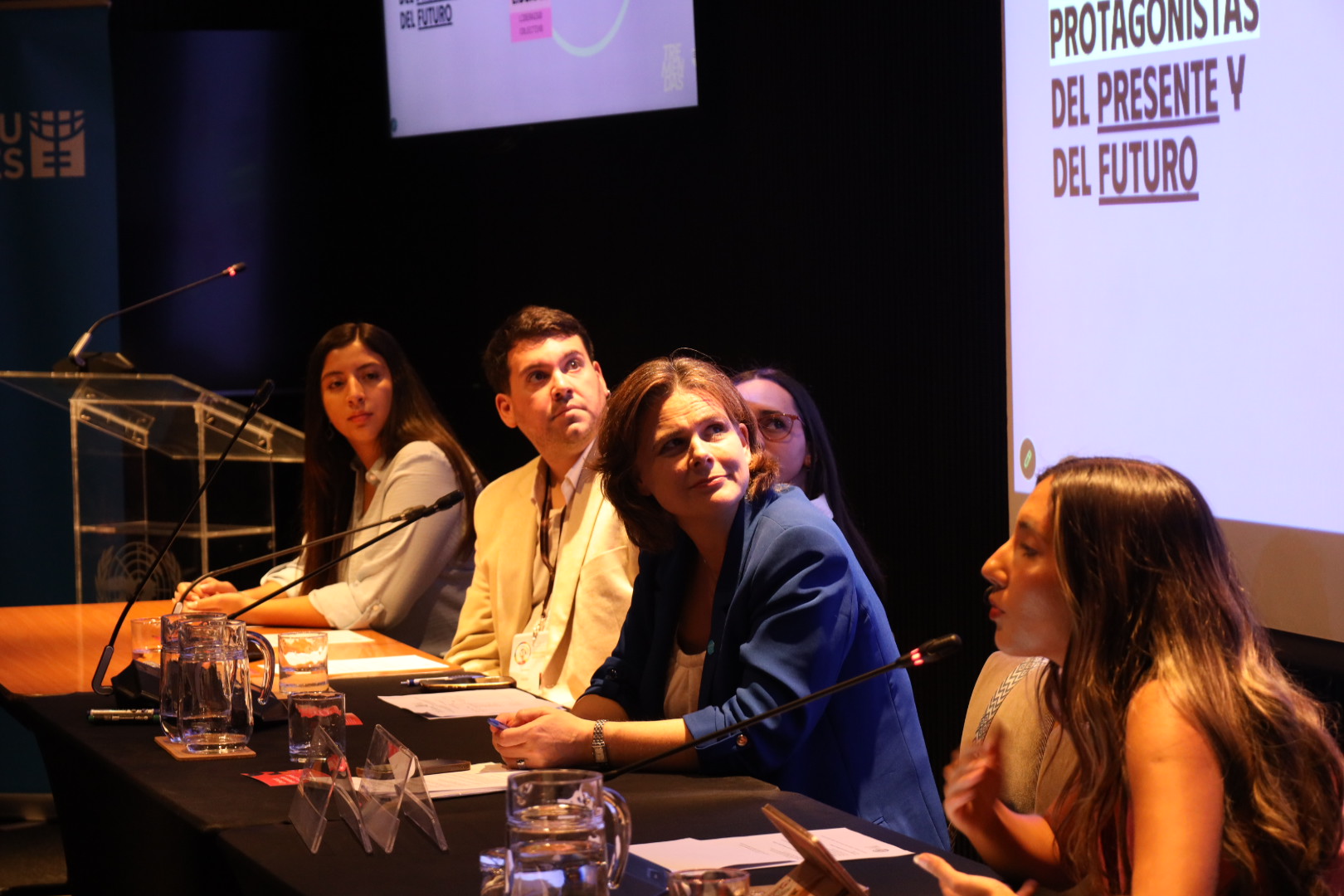
Bibiana Aido captured the urgency of the moment clearly: “The future is not something we wait for. It’s something we build.” She also stressed that none ofthis work can succeed without funding, accountability, and long-term commitment. “Without gender equality and meaningful youth participation, the 2030 Agenda cannot move forward,” she said.
UNICEF echoed a similar message. Violet Speek-Warnery emphasized that youth participation must go beyond symbolism. “Participation is not just beingincluded in the photo or being listened to for a few minutes,” she explained. “Participation means influencing decisions, co-creating policies, and shapingoutcomes.”
We are deeply grateful to everyone who made this gathering possible, especially Justina de Pierris for her strategic leadership, and to Constanza Camilo Fuentes, Ignacio Garay, Sofía García, and Javiera Díaz Pérez for their dedication and collaboration. We also thank the volunteers who supported the thematicworking groups, as well as Miguel Trancozo Treviño from UN Women and Carla Enrica Foglia from UNICEF for their ongoing partnership.
As part of the event, participants used practical tools like a cross-sector integration matrix to turn discussions into clear commitments tied to the SustainableDevelopment Goals, including timelines, responsibilities, and funding needs. The goal was simple: stop working in silos and move toward coordinatedaction.
The process concluded with the validation of a 2026 Commitments Decalogue and a Regional Roadmap for 2026–2030, both designed to strengthenpartnerships and ensure youth advocacy continues long after the event itself.
And this is only the beginning.
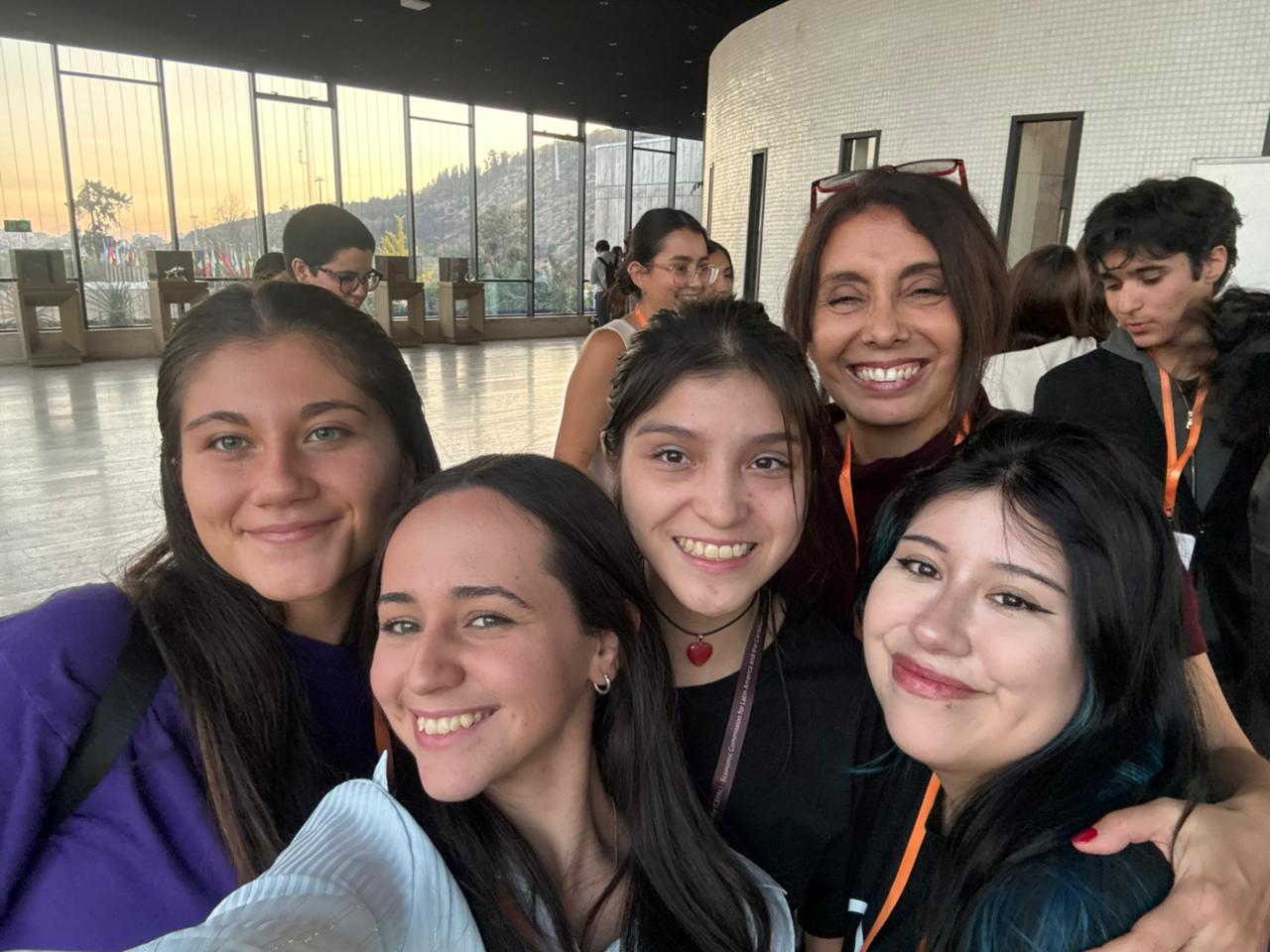
At Girl Up Americas, we will continue creating collaborative spaces where more girls and young people can lead, organize, and influence the decisions thatdirectly impact their lives. We truly believe opening the door is the right direction forward, because young people are not waiting for permission to shape thefuture. They are already doing it.