Hi there! I’m writing this for you: the youth activists from our community trying to figure out how to do this work better, more safely, and without losing yourself in the process. These are not abstract lessons. They come from specific people, specific rooms, and specific moments that I won’t forget.
1. Threats to our movements don’t arrive in a straight line
One of the sharpest things I took from Naarm is this: threats to gender justice and social movements don’t arrive in a straight line, and they rarely announce themselves clearly.
We tend to imagine repression as something obvious — a door being slammed shut. But what I kept seeing described was something more diffuse and harder to map: visas being withheld at the last minute. Organizations unable to register locally. Digital attacks that isolate leaders from their networks. Bureaucratic obstacles that drain time and energy until there’s nothing left for the actual work. Intimidation that’s hard to name but impossible to ignore.
These threats form a constellation — dispersed, interconnected, and much more dangerous when you can only see one star at a time.
This is why safety planning is not a bureaucratic checkbox. It is a political act of care for the people doing this work — and that includes you. Before you launch a campaign, before you implement a workshop, before you go public with something that challenges power: identify the threats. Map the mitigation actions. Build the plan before you need it.
2. Acknowledgment is resistance (and solidarity)
At our concurrent session “From Harm to Hope,” Girl Up community members shared real stories of resistance, healing, and prevention of gender-based violence. One of those stories was from a young Afghan woman. When the Taliban regime began, she was forced to leave her university, to leave her home. Her response? She built an online learning community. Quiet, creative, defiant resistance.
Then, from the audience, another Afghan woman raised her hand.
“We are being forgotten,” she said.
She was speaking about erasure — the slow disappearance of a people from the world’s attention, from its urgency, from its headlines. And in that room, hearing her story told out loud by someone who lived it, she felt seen. That moment of recognition — someone saying your story in a room full of strangers — is its own form of resistance.
I want to be careful here, because this matters: Afghan women are one powerful example, but they are not the only ones. First Nations peoples. Palestinian communities. Displaced populations. Minorities written out of their own histories. The act of naming someone’s existence is political. It always has been. When the world stops saying your name, resistance begins with making yourself impossible to ignore.
We have a responsibility to keep saying names. Not just the ones that trend.
3. Virtual support builds real bonds— don’t underestimate what’s already there
Many of us were meeting in person for the first time in Naarm. And yet, it didn’t feel that way.
Across the group, people who had only ever existed on each other’s screens recognized each other immediately. The trust was there. The care was already built across time zones, languages, and bandwidth issues and late-night calls. Walking into the same physical room for the first time felt less like a first meeting and more like a reunion.
One moment made this viscerally real for me. Stevany, a Girl Up leader from Indonesia, was sharing her organization’s work on gender equity — the context they navigate, the restrictions they face, the strategies they’ve built. Then she mentioned, by name and in detail, a project award they had received through Girl Up’s direct youth funding.
I manage that funding.
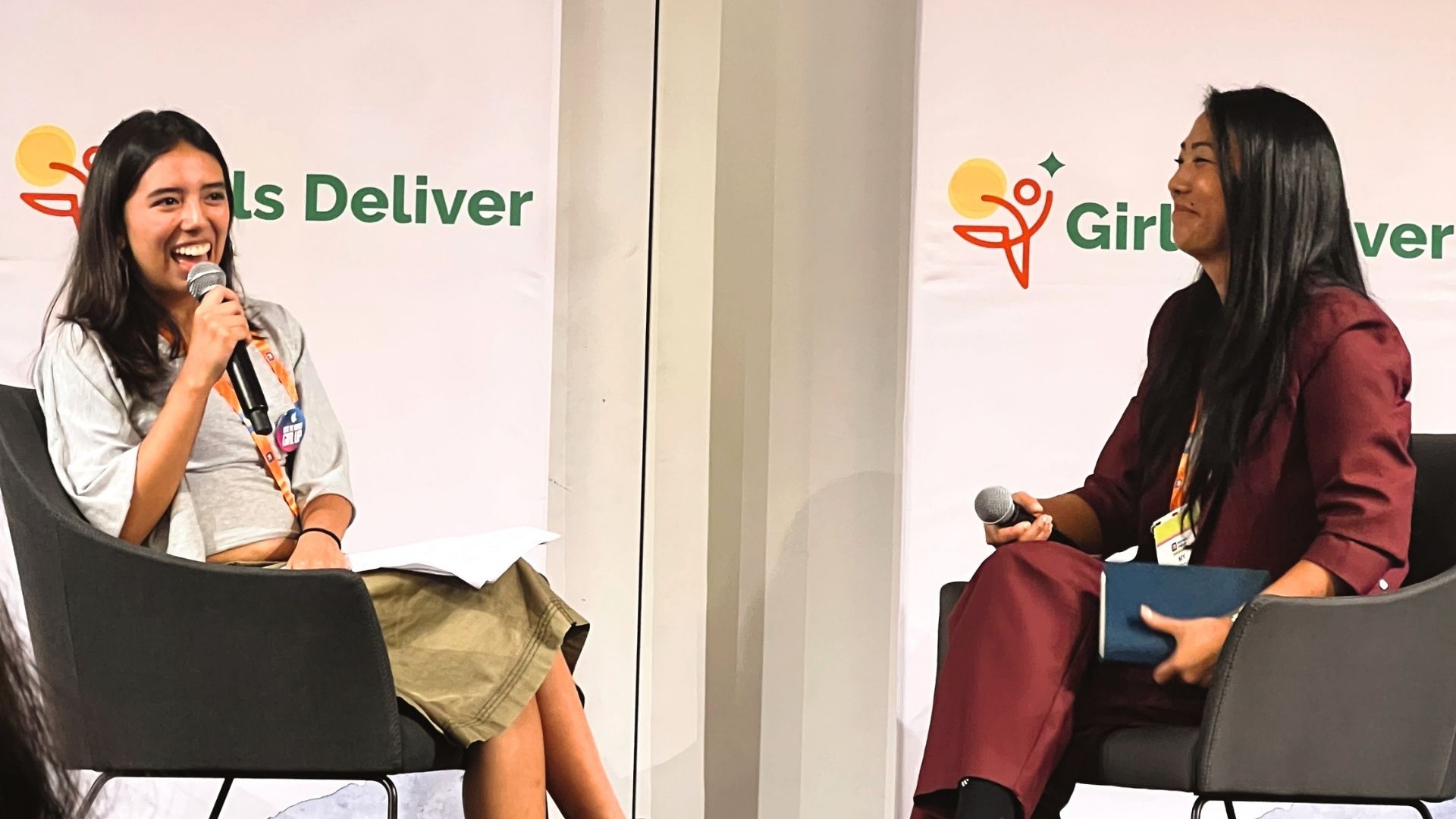
I had processed that grant from a desk. I had never seen Stevany’s face before that room. And yet there she was, describing exactly what that support had meant, what it had made possible, who it had reached. I felt the weight of it in a completely different way than any report had ever given me.
To every young activist reading this: the relationships you’re building online, the networks you’re maintaining across borders, the community you’re part of virtually — they are real. Don’t dismiss virtual connection as a lesser version of the real thing. Sometimes it’s the foundation that makes everything else possible.
4. Speaking your truth is the most powerful tool you have
I want to tell you about a moment in our session where the room went completely quiet.
Olamide, a Girl Up leader from Nigeria, stood up and spoke about gender-based violence in her own community. The room went still. Not uncomfortable but charged. You could feel something moving through the space, a collective recognition, a need to act that wasn’t abstract anymore. It had a voice standing in front of us.
Research, evidence, and data are how we make the case to systems and institutions. But testimony — real, personal, specific testimony — is how we move people. It’s how we close the distance between someone else’s reality and our own.
I know speaking your truth is not always safe. I know it has costs. I know that for many of you reading this, telling your story publicly carries real risk. That’s exactly why the previous point about safety planning matters. Protect yourself first. And when you can, when the conditions are right — your story is not a vulnerability. It is your most powerful tool.
Don’t let anyone take that from you.
5. Slow down. The details are where creativity lives.
Aarna, a delegate from India, taught me something that sounds simple and is actually quite hard: take your time to pay attention to the small things around you. The details most people walk past. The texture of how someone phrases something. The thing you almost missed because you were already thinking about the next agenda item.
Creativity and innovation don’t live in the grand strategy or the keynote speech. They live in what you almost missed. The unexpected connection. The small observation that reframes a problem.
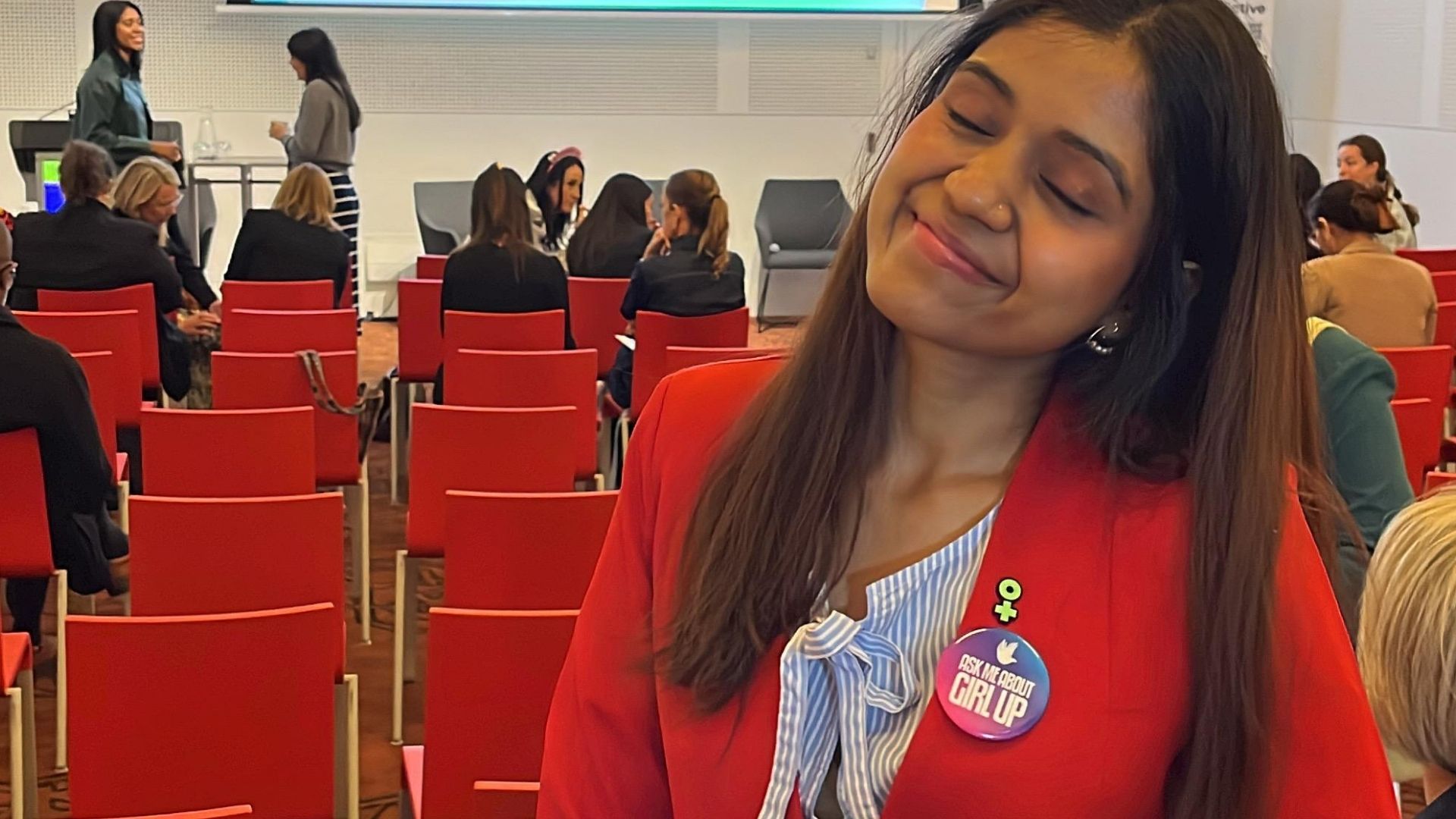
Build observation into your practice. Take notes on the margins. Sit with something before you react to it. The best ideas I’ve seen young activists bring to this work didn’t come from the main stage — they came from paying close attention to something everyone else had already walked past.
6. You don’t need perfect alignment — you need an ally
This is the one I want to leave you with, because I think it’s the most practically useful and the most often forgotten.
You are not going to find people who agree with you on everything. And waiting for that perfect alignment before you move forward is how causes stall.
What you need is an ally for this specific piece of the work. Someone who shares one goal, one value, one concern — even if they diverge sharply on everything else. Government officials. Religious leaders. Business people. Community elders. People whose worldview you don’t share and who don’t share yours, but who have the same stake in this one outcome.
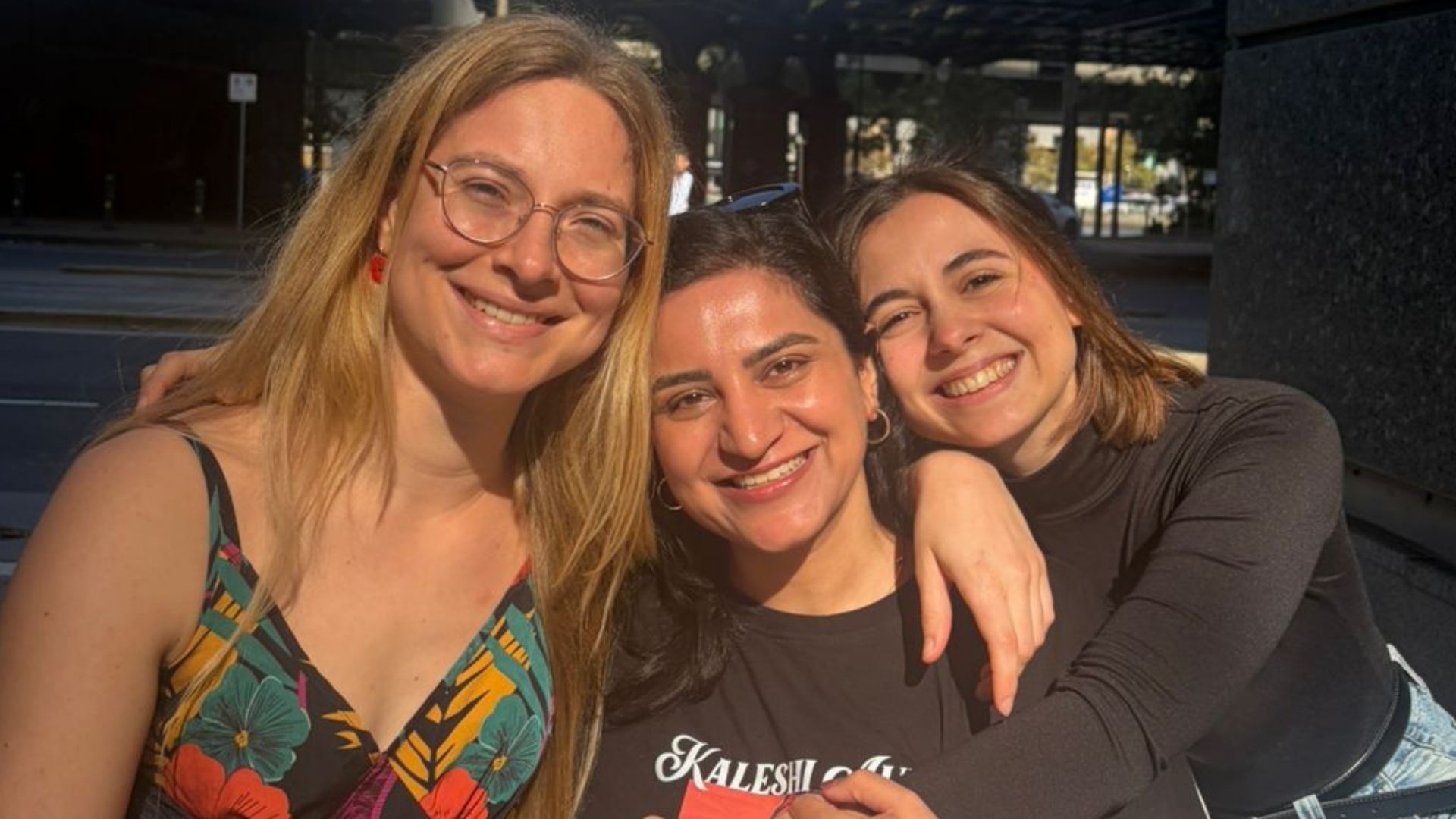
Coalition-building is messy. It will sometimes mean sitting at a table with someone you find deeply frustrating. It will sometimes mean celebrating a win with someone you disagree with on other issues.
Progress doesn’t wait for consensus. Find the ally. Advance the piece. Keep building.
These six lessons came from specific people in specific rooms in Naarm, but they belong to all of us doing this work. The work continues. In your communities, in your organizations, in the decisions you make tomorrow.
I’m glad we got to be in the same room (even when virtual)
Ailén