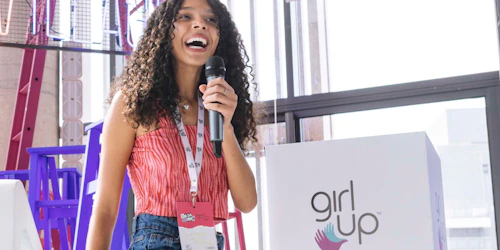
What happens when girls are given the opportunity to not only learn about STEAM, but to see themselves as part of its future?
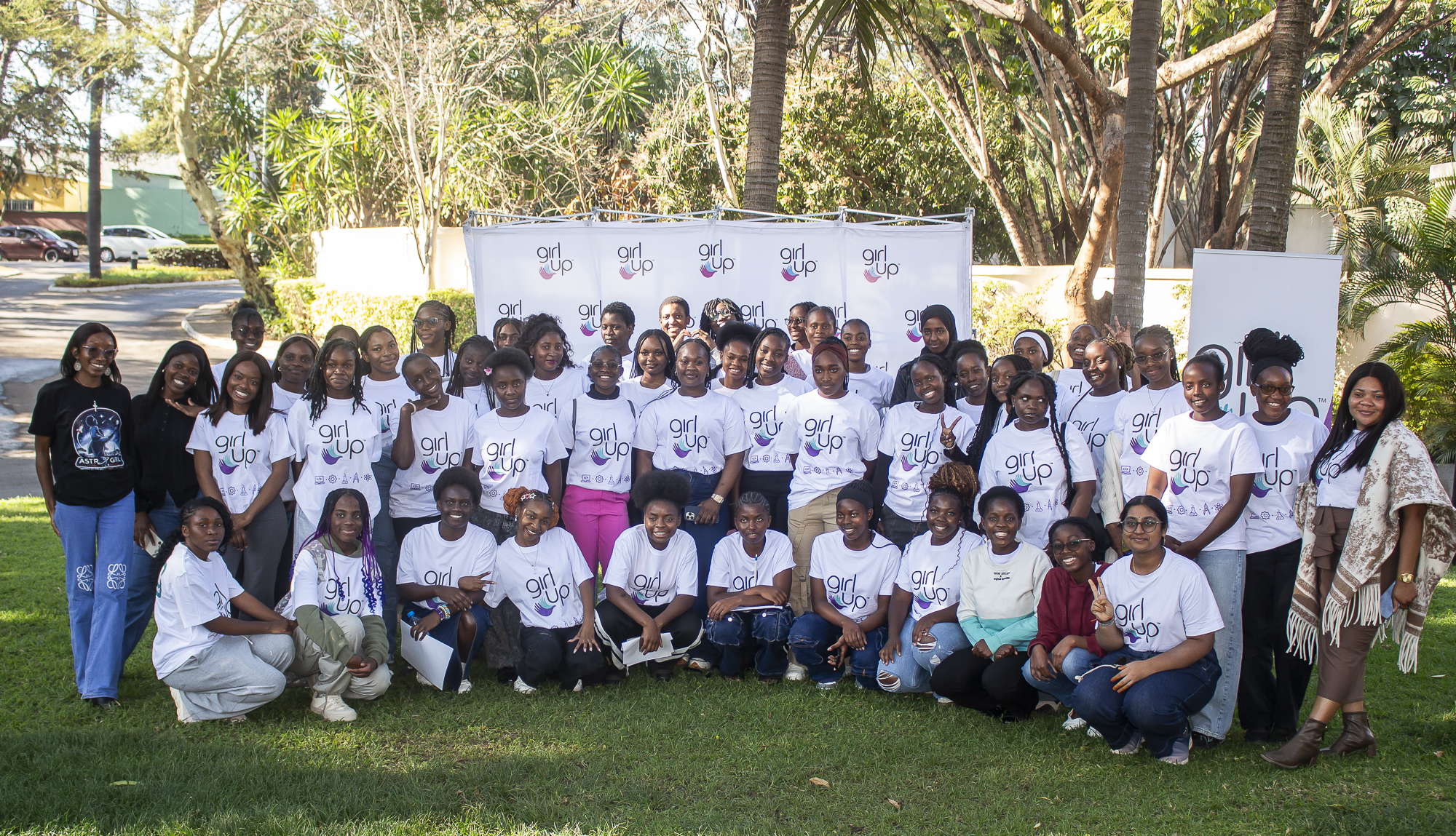
For 54 girls and young women aged 14–22 in Lusaka, Zambia, it looked like two days filled with questions, new connections, big ideas and plenty of possibility.
The Girl Up Tech Girls Takeover: STEAM for Social Good brought girls together to explore Science, Technology, Engineering, Arts and Mathematics through conversations, mentorship and hands-on learning. The goal was simple: create a space where girls could see what is possible when they have access to role models, practical skills and the confidence to use what they learn to make a difference.
And from the beginning, the room was full of curiosity.
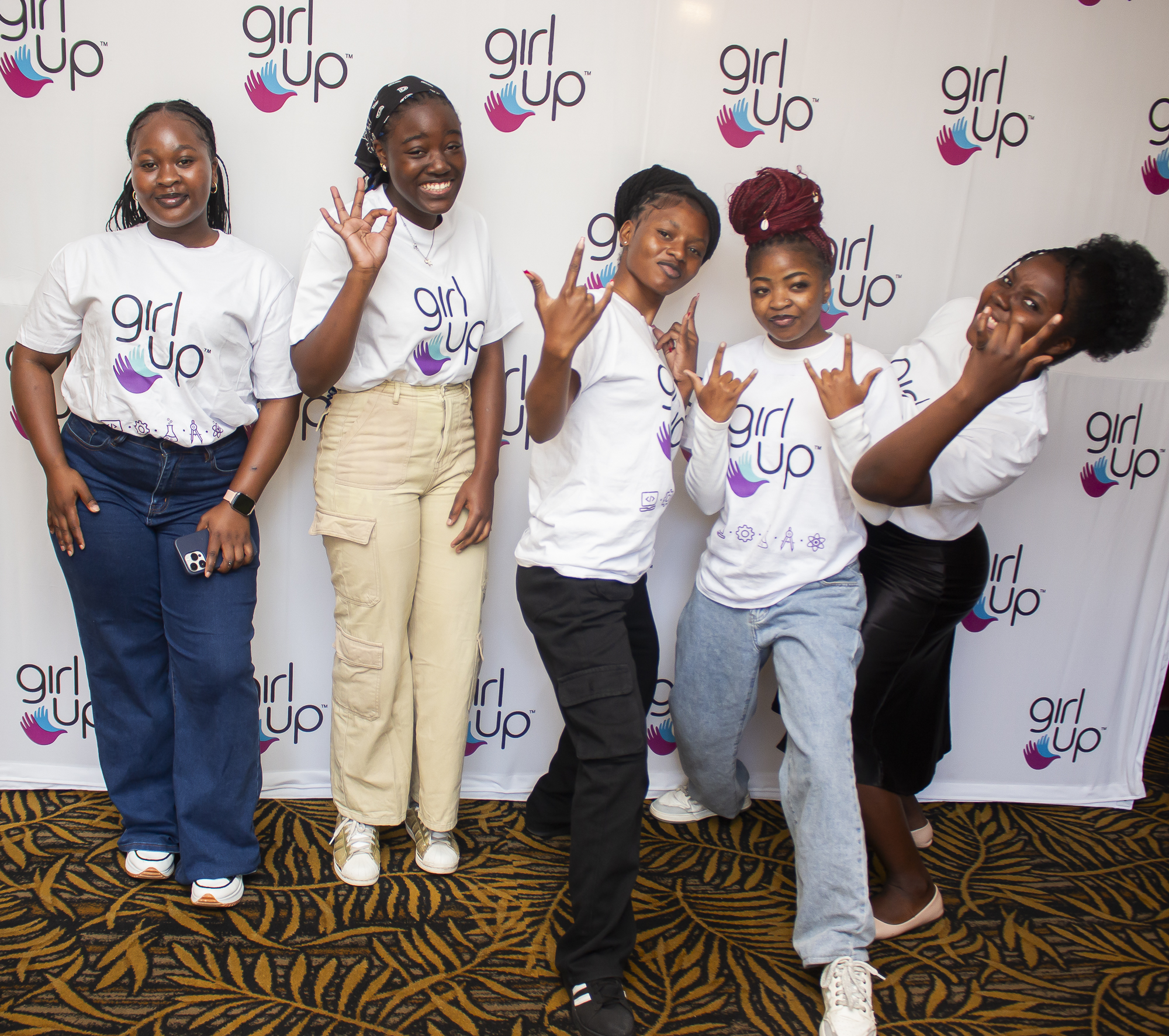
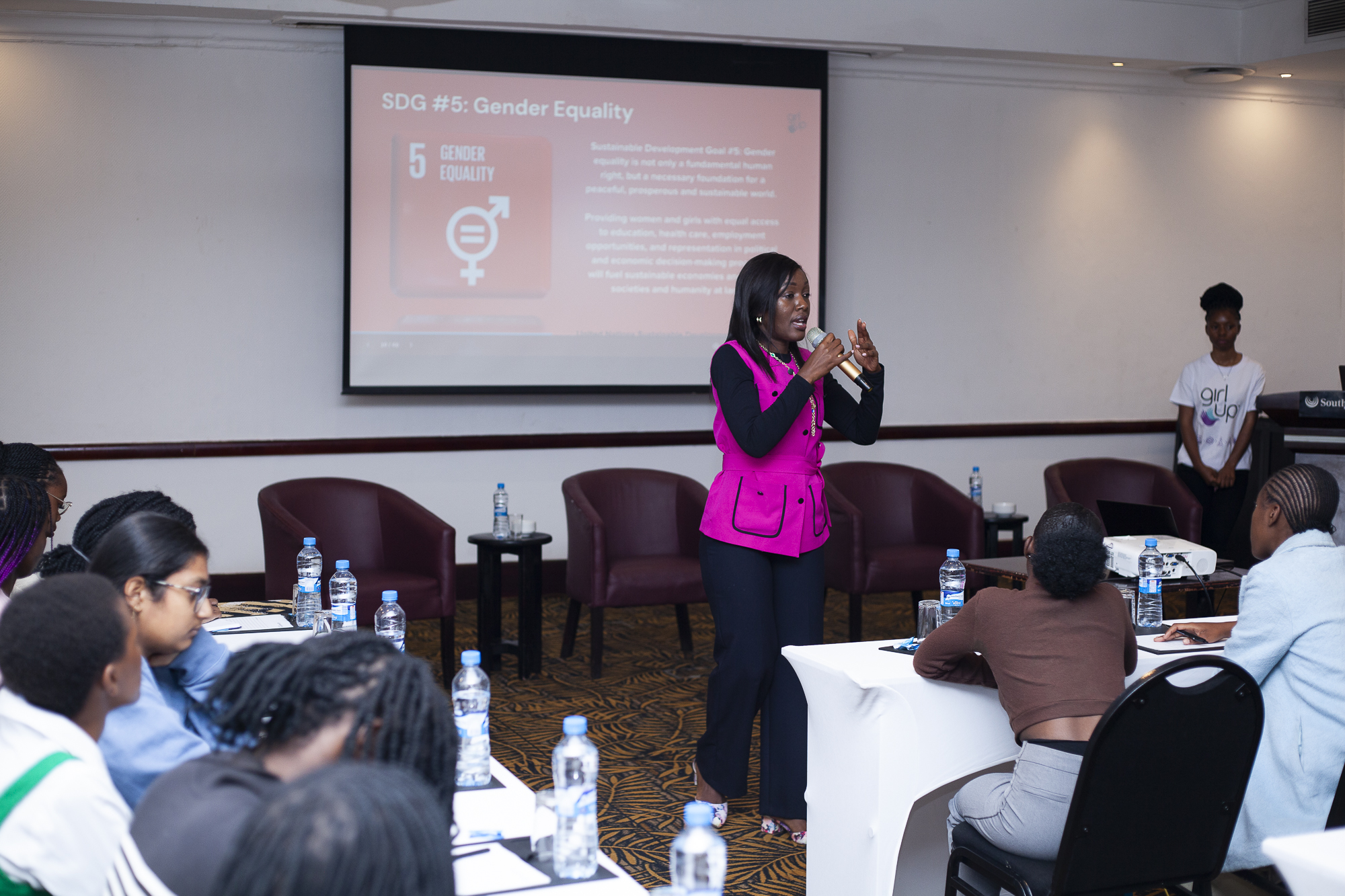
Day One focused on exposure and connection. Girls heard from women working across different areas of STEAM, including education, space science, architecture, communications and technology. During a panel discussion, they had the opportunity to ask questions about career journeys, barriers women face and what it really takes to find your place in industries where women are still underrepresented.
The conversations continued during mentorship roundtables, where girls could sit directly with women working in STEAM and have more personal conversations about careers, confidence, leadership and their own interests.
For many girls, that kind of access matters.
As educator and STEM advocate Mwenya Mwamba, who spoke on Day One and returned the following day to lead a learning session, reflected:
“What stood out to me most was the commitment these young women showed when they were given a genuine platform to contribute to conversations that affect their lives and communities.”
But the takeover wasn’t designed to stop at inspiration.
On Day Two, the girls moved from learning to doing.
Through the Design Thinking and Innovation Lab, they worked in teams to identify challenges affecting their communities and think critically about how they could respond. They brainstormed, challenged each other’s ideas, developed solutions and turned those ideas into prototypes before pitching them to a judging panel.
Ideas included solutions such as Girls Flow, which focused on making menstrual health and hygiene information more accessible, and Save Her, which explored ways to expand girls’ access to STEAM education.
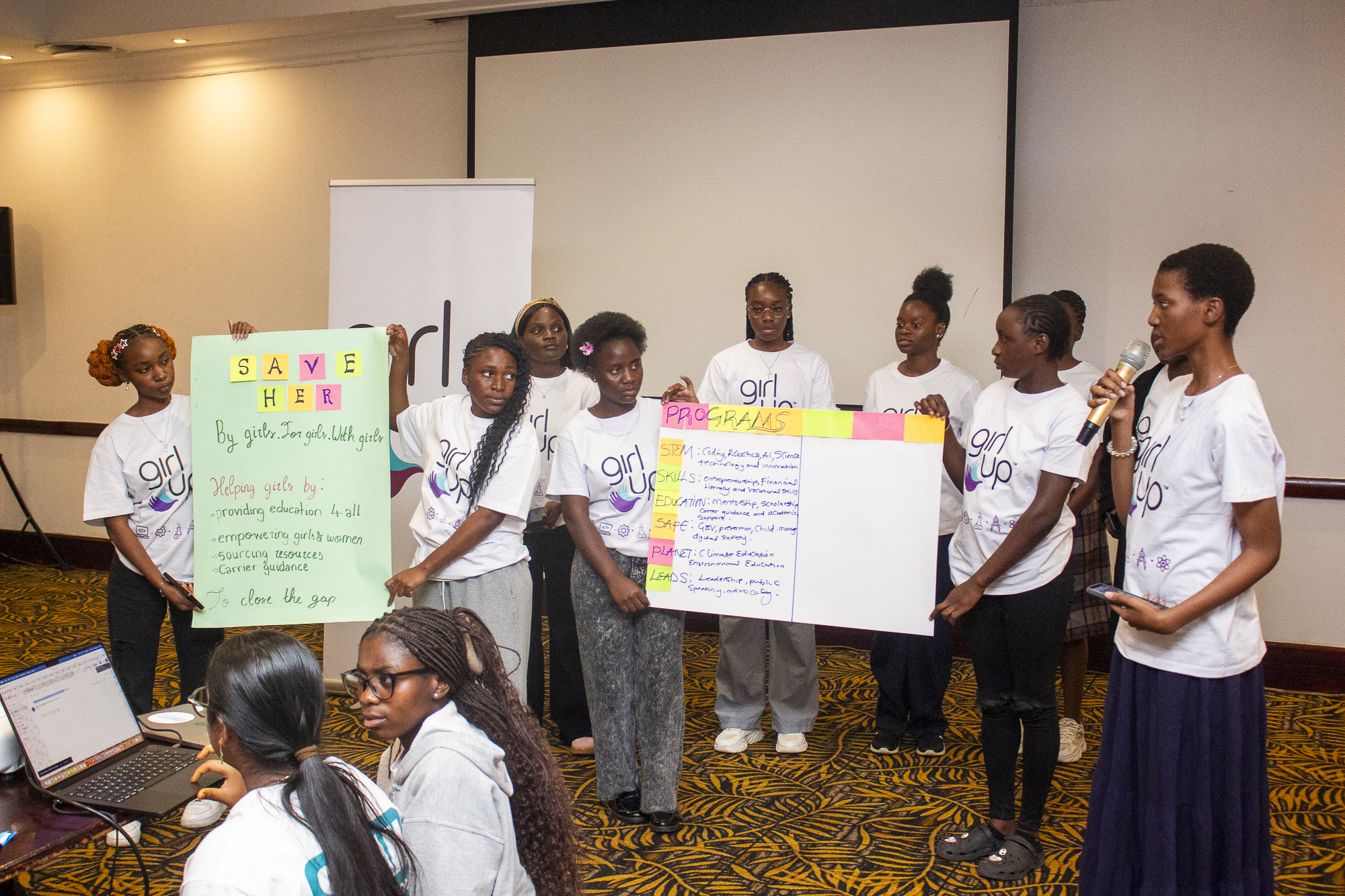
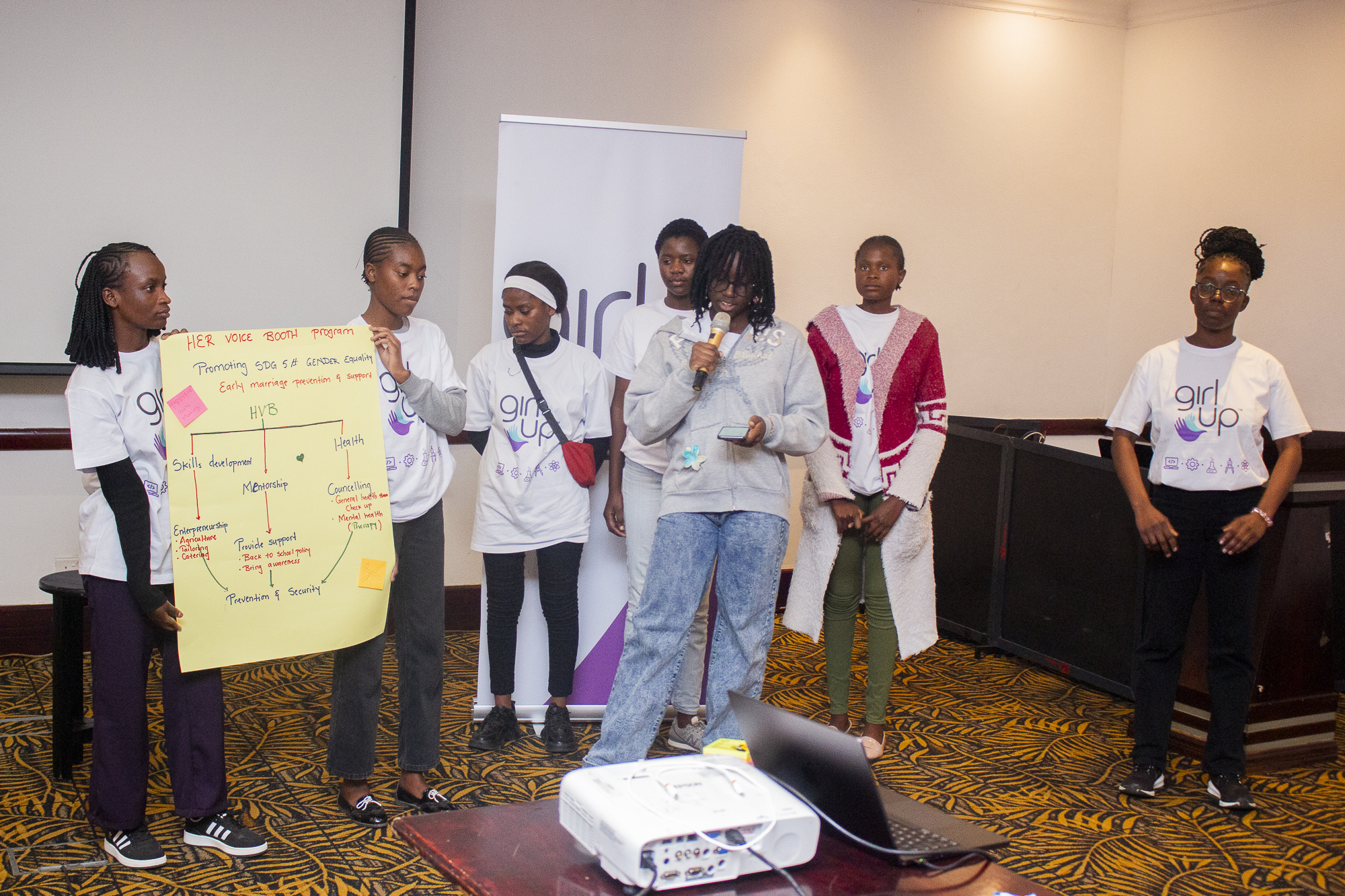
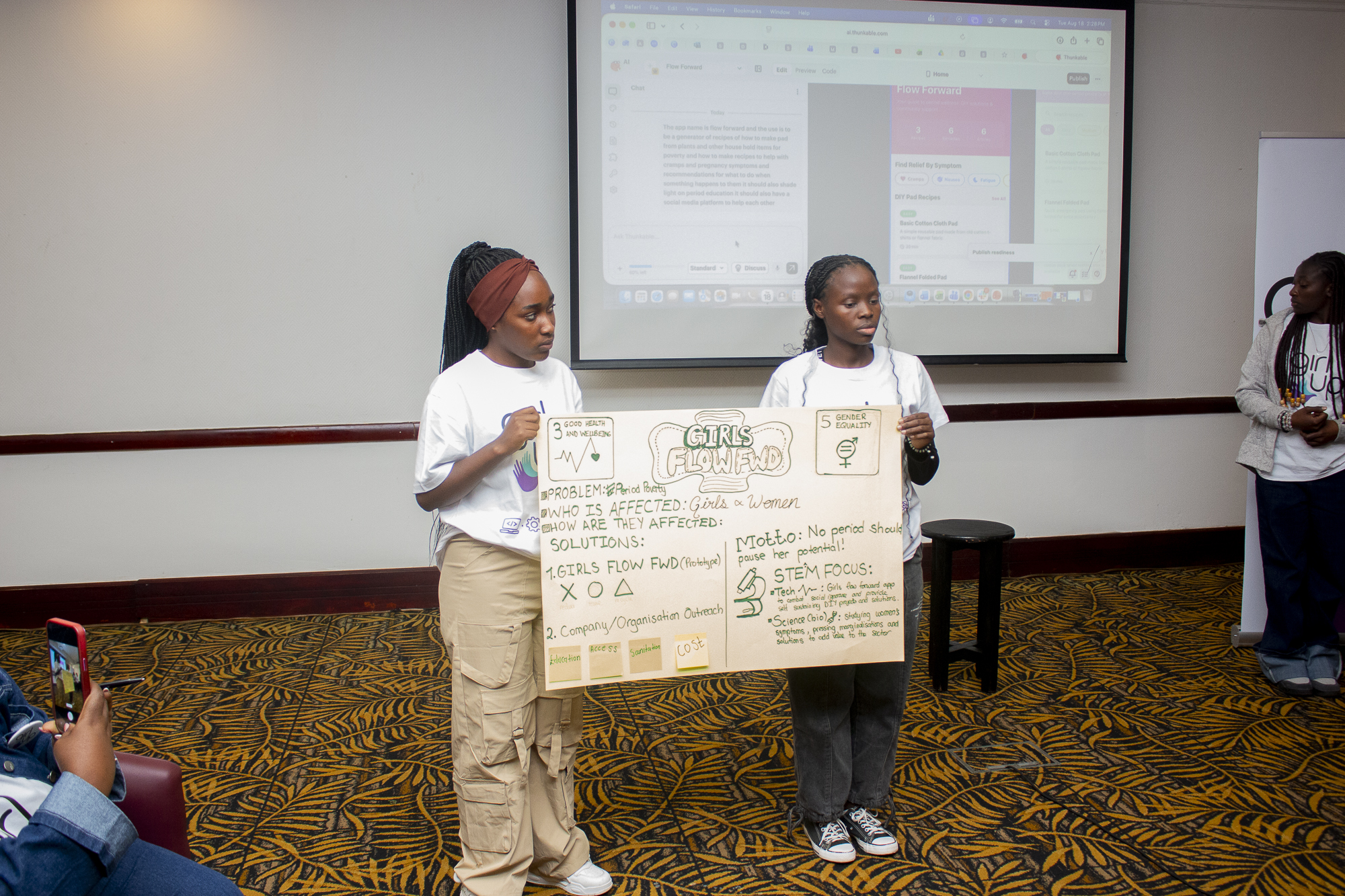
What made the process especially powerful was that the challenges weren’t abstract. The girls were thinking about issues they had seen, experienced or heard about in their own communities — and then asking themselves: What can we do about it?
For Mwenya, this was an important part of creating meaningful STEAM opportunities for girls.
We need to move away from simply disseminating and assimilating information and create opportunities for young people to actively apply what they are learning.
That is exactly what the girls did.
They weren’t simply sitting in a room being told that they could become engineers, scientists, technologists or innovators. They were given the tools, the encouragement and the space to try.
And perhaps the most powerful reflection came from the girls themselves.
One participant shared:
“I came with an idea, but I’m leaving with a bigger dream — to keep using my voice and my ideas to make a difference.”
Another spoke about what she planned to do with what she had learned:
“Whatever I’ve learned, I will share with my friends, colleagues and family.”
That is the impact of creating spaces like Tech Girls Takeover. The experience doesn’t have to end when the two-day programme does — and for some of the girls, it doesn’t. This year’s cohort included girls who had joined the very first Tech Girls Takeover, as well as girls who had gone on to take part in WISCI Southern Africa. Seeing some of them return this year made the growth especially evident. They came back with new experiences, greater confidence and a stronger sense of what they could contribute.
Because investment in girls is not only about giving them access to a programme for two days. It is about creating opportunities for them to meet people they can learn from, develop skills they can carry forward, build solutions to problems they care about and discover that their voices have a place in shaping what comes next.
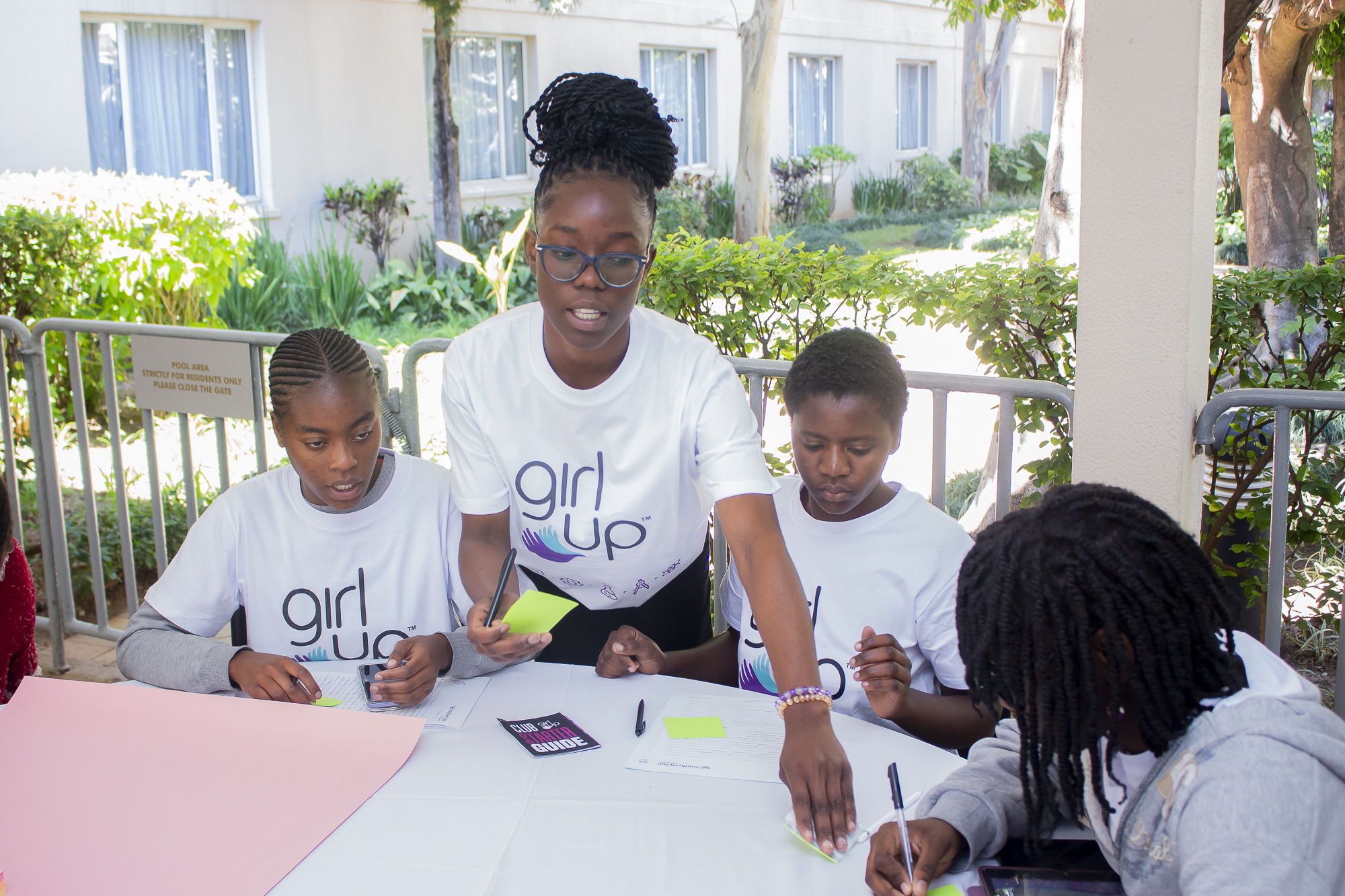
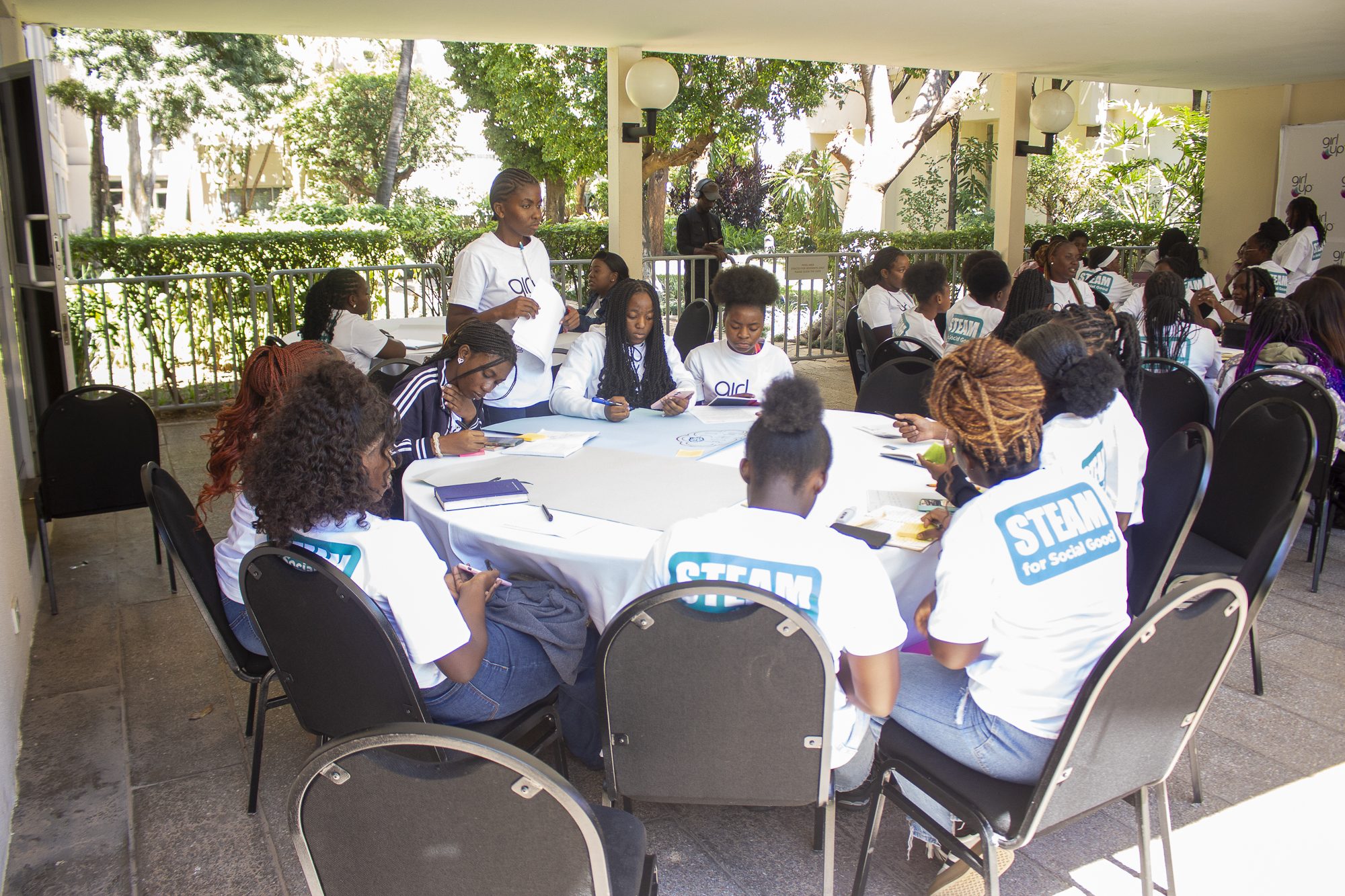
In Lusaka, 54 girls walked into a room ready to learn.
They left with new ideas, new connections and, for many, a bigger sense of what might be possible.
When girls are given the space to imagine, they don’t just dream about the future. They start building it.